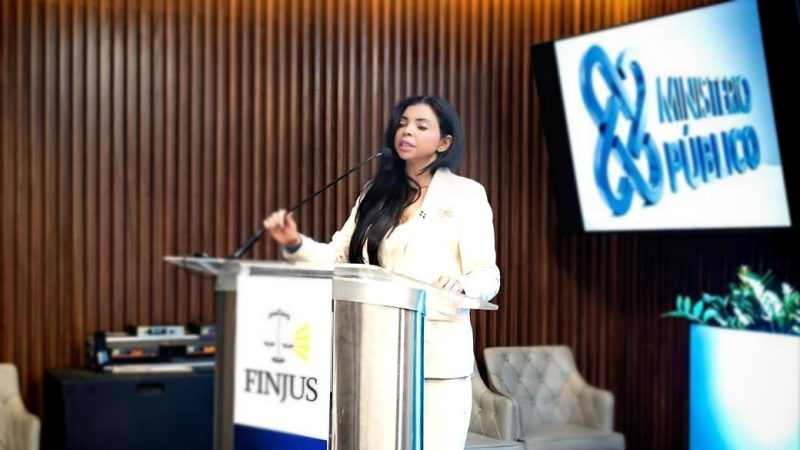






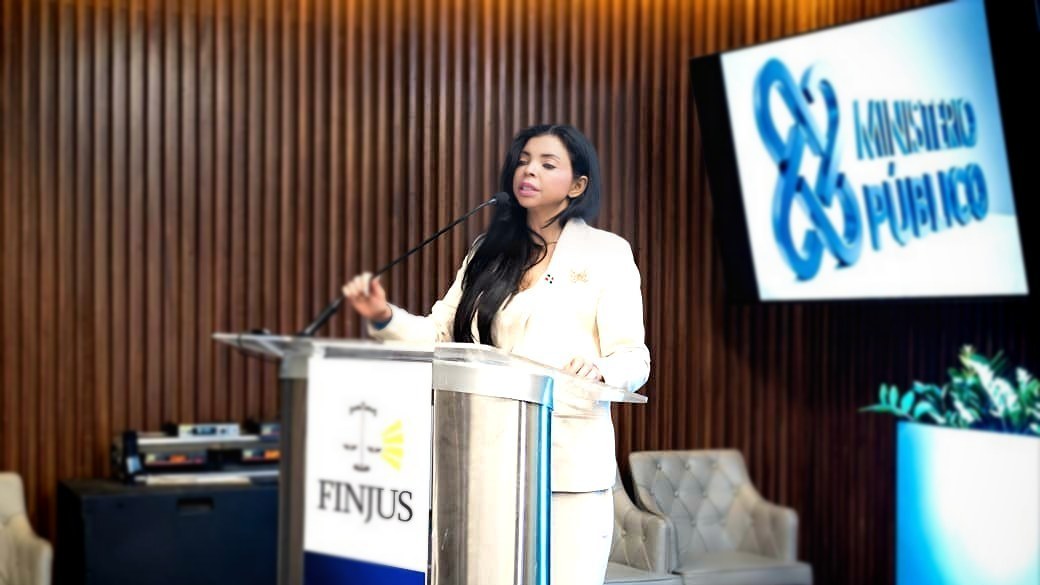
In a seminar-workshop on the new Penal Code held in August last year, the General Prosecutor of the Republic, Yeni Berenice Reynoso, explained that medical negligence crimes committed in the medical field cannot generate an accumulation of 60-year sentences. The event, organized by the Institutionalization and Justice Foundation (Finjus), brought together health professionals, hospital managers, and law experts to analyze the implications of the current penal reform.
The Myth of Sentence Accumulation
During the conference, Reynoso pointed out that there are rumors circulating on social media that claim that a doctor can receive up to 60 years in prison for medical negligence crimes. “There is no way that a medical negligence crime committed in the medical field can reach a 60-year accumulation; it’s impossible, that’s for serious crimes and that lead to accumulation”, indicated the Prosecutor.
The penal reform, which replaced the old Napoleonic code with a German tradition system, maintains article 112 as a reference for medical negligence crimes. The Prosecutor recalled that the content of the article did not change substantially, only its numbering, and that the new legal framework does not add greater penalties for medical negligence.
Medical Negligence and Permitted Risk
Reynoso explained that medical negligence is defined as “not doing what should be done”. According to the Prosecutor, a bad medical practice constitutes a breach of the duty to care, and when it exceeds the permitted risk, it can be penalized. However, the penalty is limited to the category of medical negligence crime and does not reach 60 years in prison.
Use of WhatsApp in Clinical Practice
The Prosecutor also clarified that the new Penal Code does not prohibit the use of WhatsApp for medical instructions. “No doctor can be imprisoned for helping a patient through that application, as long as there is a prior relationship with the patient”, assured.
Panelists and Perspectives
The seminar featured the participation of plastic surgeon Severo Mercedes, doctor and lawyer Ricardo Nieves, and lawyers Gilberto Octío, Ricardo De León, and Luz Díaz. Each panelist contributed experiences and specialized knowledge to deepen the new provisions and myths surrounding the Penal Code in the health sector.
Conclusion
The General Prosecutor emphasized the need for continuous analysis of the implications of the new Penal Code in national life and in the different sectors, highlighting that incorrect information about sentences can generate unnecessary alarm among health professionals.
Credits: n.com.do
Note generated automatically from the sources cited in the text. Found an error? Email us at [email protected] and we'll fix it.