


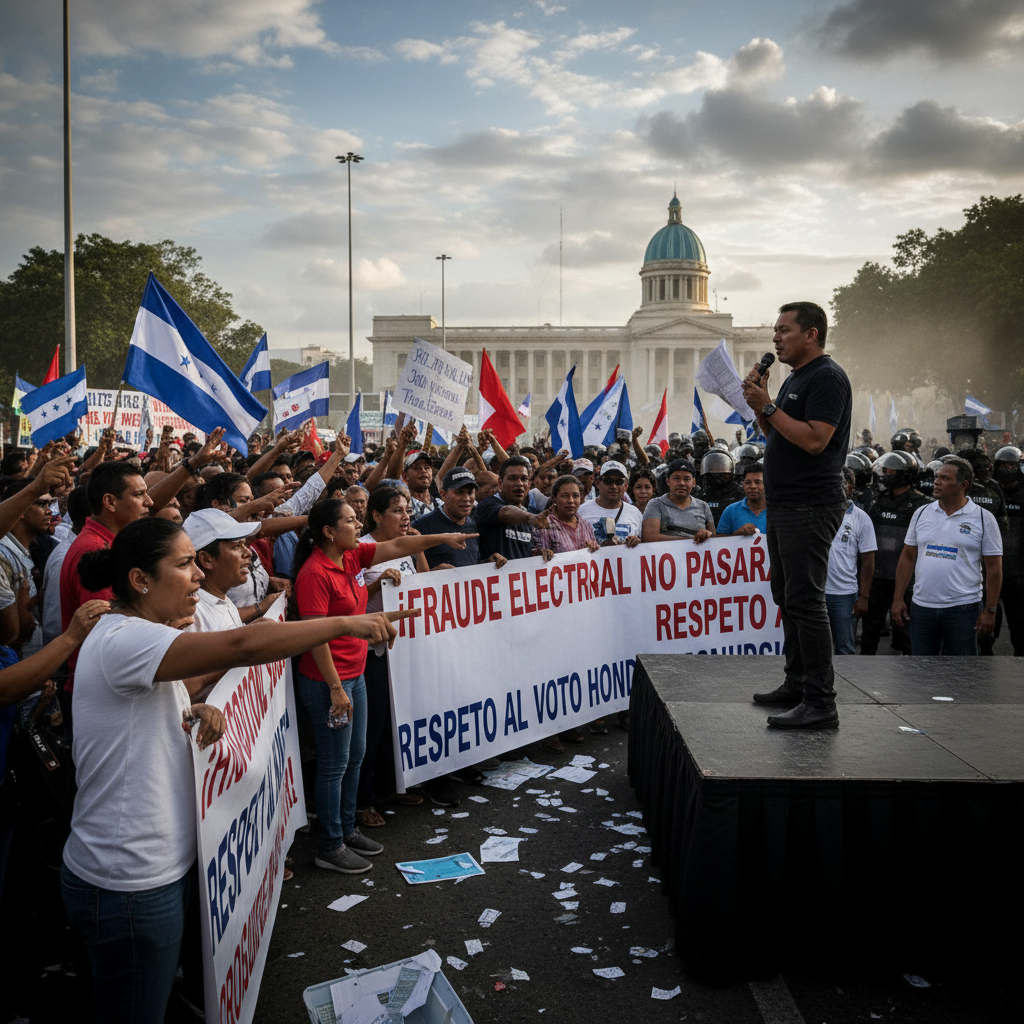
Salvador Nasralla denounced a data change in the preliminary vote count during the general elections in Honduras held this past Sunday, November 30, 2025. The presidential candidate of the conservative Liberal Party of Honduras warned that, in the early hours of Thursday, December 4, information was manipulated in the official system when the counting system screen momentarily went blank and an algorithm altered the results in favor of his rival Nasry ‘Tito’ Asfura.
At 03:24 in the morning, Nasralla communicated through his X account that there was a change in the counting data, similar to what happened in the 2013 elections. He explained that the votes were swapped: the 1,081,000 ballots that Nasralla had were assigned to Asfura, and Asfura’s 1,073,000 votes were registered in favor of Nasralla. This situation generated a reversal in the scrutiny trend that supported Asfura, who has had international backing from figures like Donald Trump.
Reversal and effects on electoral transparency
The National Electoral Council (CNE) reported that by 06:00 local time, 84.52% of the tally sheets had been scrutinized, but the process was marked by system interruptions, attributed to technical failures. Nasralla specifically requested an investigation into the Colombian company ASD, in charge of the preliminary results portal, which allegedly has ties to opposing political actors, such as the former manager of the Honduras Energy Company Germán Martell and National Party candidate Walter Castellanos. This complaint reflects mistrust in the electoral process, as the Honduran people reject episodes similar to the so-called ‘Batson curve’, a scenario that occurred in past elections in the country.
Electoral context and call for calm
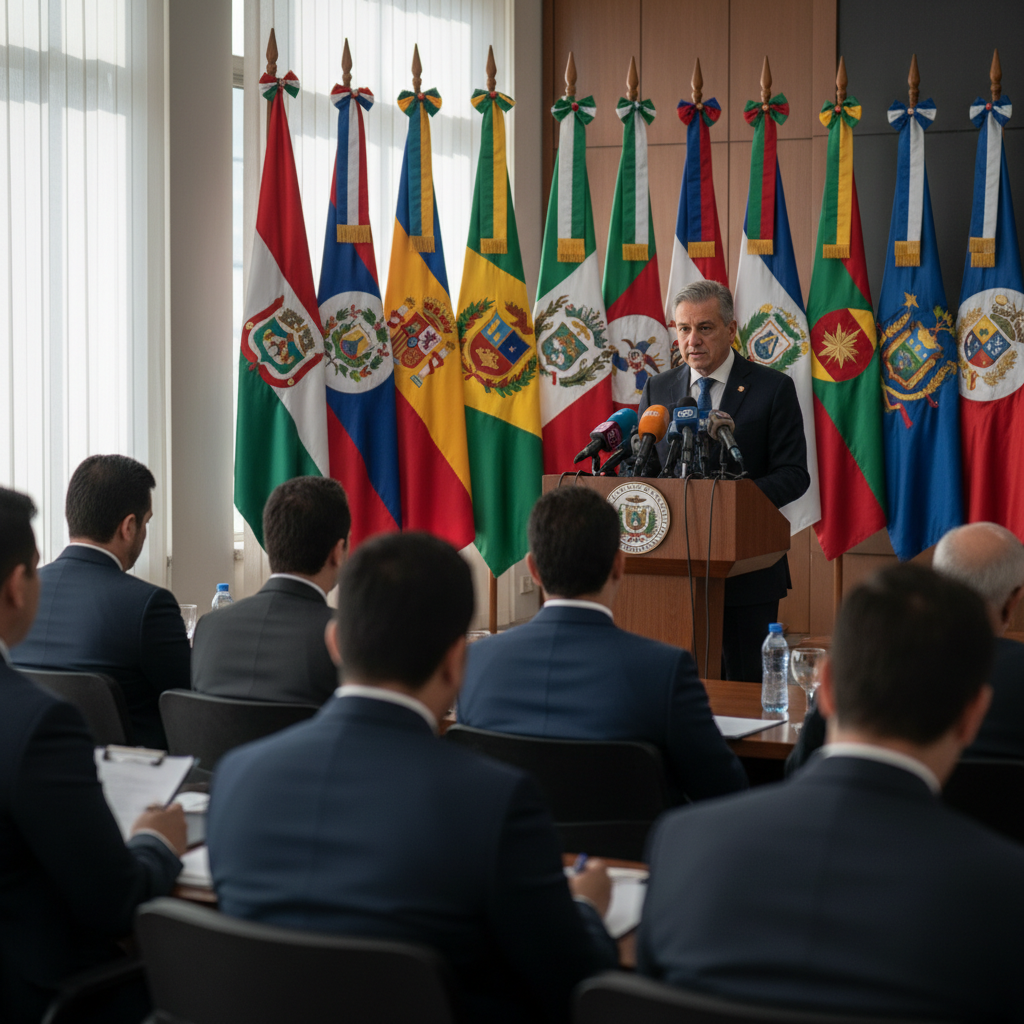
The CNE, through its presiding councilor Ana Paola Hall, highlighted the historically narrow margin between both candidates and praised the civic behavior demonstrated, avoiding premature statements and sabotage. President Xiomara Castro, who took office in 2022 under the Libre Party, faces a presidential handover on January 27, 2026, while her party questions the preliminary results issued by the CNE. The constant repetition of the data change in vote counting generates uncertainty and a national debate on the reliability of the Honduran electoral system, which had already been questioned in previous campaigns for irregularities and lack of transparency.
The data change in vote counting in Honduras stands as a central issue ahead of the upcoming stages of the electoral process, with urgent calls to investigate the companies involved and ensure clear mechanisms for the recount. The discussion highlights the need to strengthen electoral institutions and guarantee fair and transparent processes. Salvador Nasralla maintains his public complaint and demands concrete actions to prevent manipulations in this and future elections.
The data change in vote counting once again becomes a point of tension in Honduras, reflecting the complexity and fragility of the electoral system at a decisive political moment for the country.