


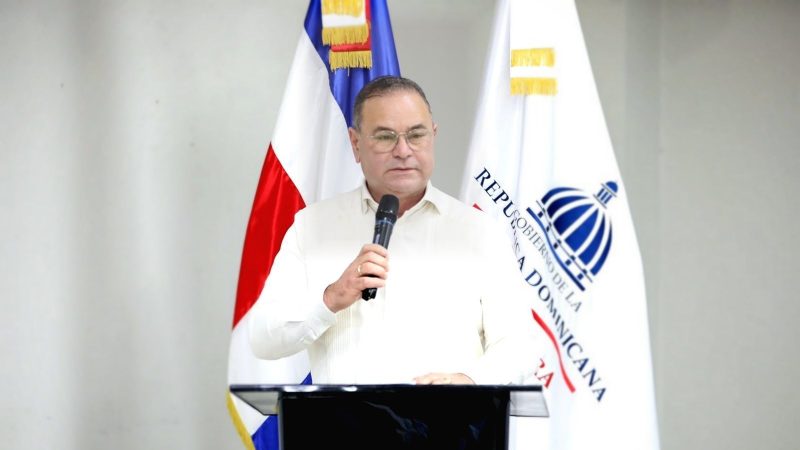






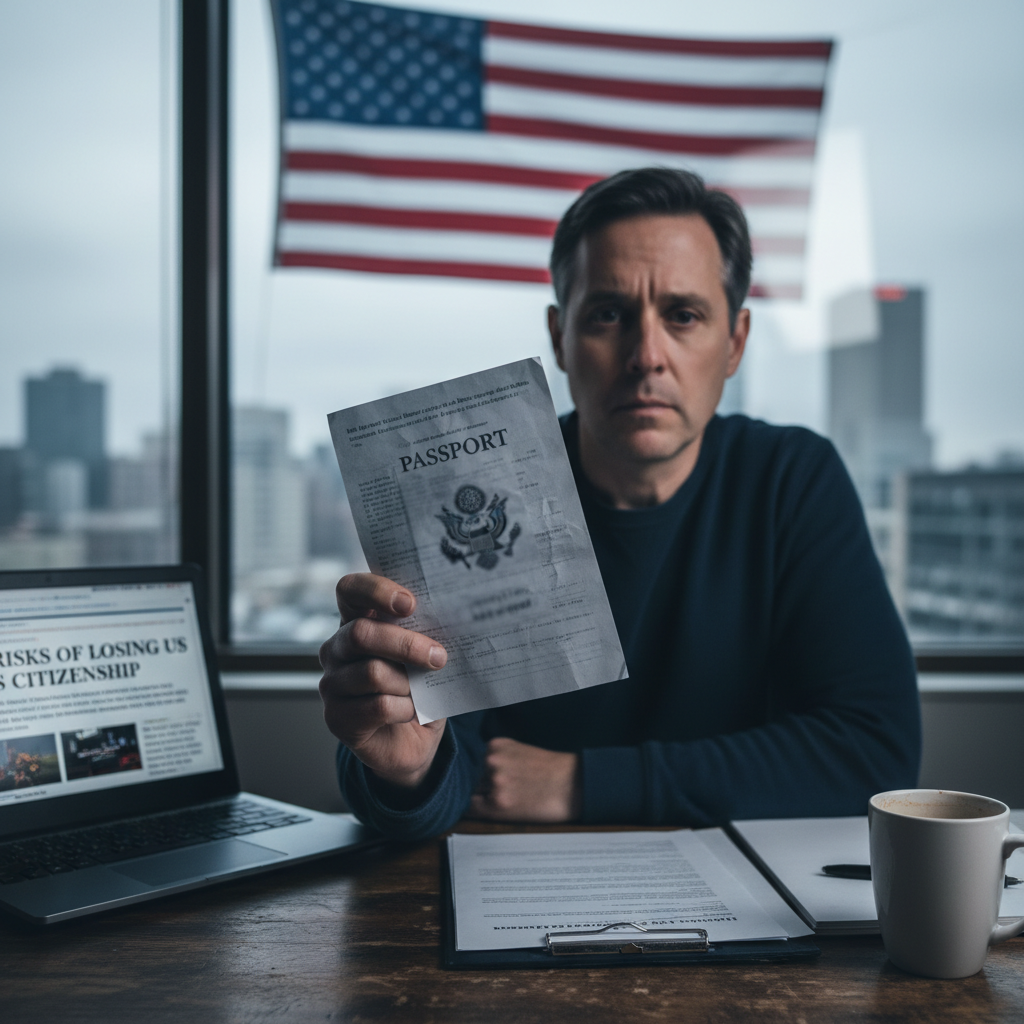
A naturalized U.S. citizen faces serious risks of losing it if they incur in fraud or serious violations, warns criminal and immigration attorney Andrés Aranda, with over 43 years of experience in the U.S. tri-state area. From New York, Aranda alerts hundreds of thousands of Dominicans and other ethnicities about these threats, based on Department of State regulations.
Main Causes for Revoking Citizenship
The U.S. government can denaturalize a U.S. citizen for fraud in the naturalization process, such as lying about criminal records, arrests, or marital status when applying for a Green Card or citizenship. Also for concealing participation in terrorism, treason, membership in subversive groups, or lack of ‘good moral character’. Data from USCIS indicates that between 2017 and 2022, more than 150 denaturalization cases were initiated, mainly for these reasons.
- Fraud in federal programs such as Medicare, Medicaid, or PPP.
- Participation in war crimes, human rights abuses, or gangs.
- Applying for citizenship in another country with the intention of renouncing U.S. citizenship.
- Military service in armies hostile to the U.S.
Risks of Losing It in the Naturalization Process
Obtaining citizenship requires five years of residence with a Green Card, completing Form N-400, biometrics, interview, English and civics test, and the Oath of Allegiance. The current cost is US$710 online or US$760 on paper, according to 2024 USCIS fees. Historically, cases like hidden Nazis in the 2000s led to strict reforms, with the Department of Justice prioritizing denaturalizations for national security.
Experts like Aranda emphasize that failing to meet physical presence or moral eligibility triggers reviews. In 2023, USCIS reported a 20% increase in audits of suspicious naturalizations.
Benefits Lost When Citizenship Is Revoked
A U.S. citizen enjoys protection against deportation, voting in federal elections, fast-track sponsorship of family members, and automatic citizenship for minor children. Additionally, access to federal jobs, full Social Security and Medicare benefits, and unlimited travel without reporting address changes. Losing it implies total vulnerability, as in cases of Dominicans deported after reviews.
Aranda urges transparency in applications to avoid these risks of losing it. In context, the Supreme Court has upheld denaturalizations for intentional fraud, reinforcing that citizenship is not irrevocable. Millions of naturalized Latinos must review their history to mitigate threats.
This analysis underscores the risks of losing it for any U.S. citizen, promoting strict compliance with immigration laws.