





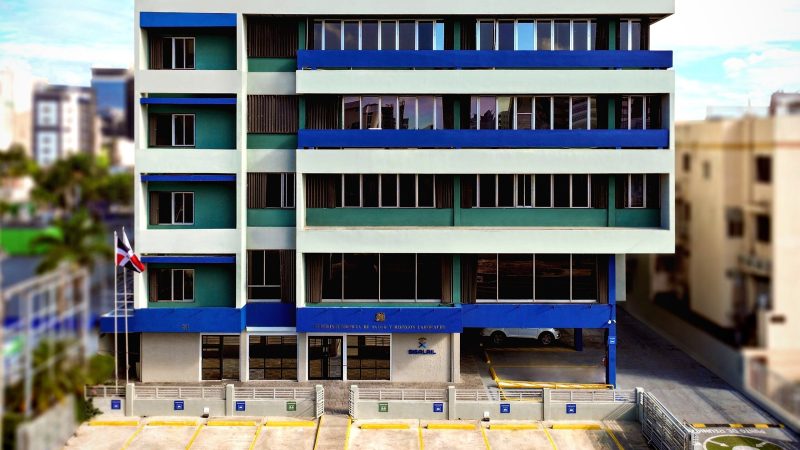



In Santo Domingo, on October 20, the Superintendency of Health and Occupational Risks (Sisalril) announced the approval of a new Professional Diseases Table, with the aim of modernizing and strengthening the coverage of the Occupational Risk Insurance (SRL). The update, formalized through Resolution 00270-26, incorporates mental illnesses, various types of cancer, and musculoskeletal disorders linked to occupational activity.
Broad spectrum of included pathologies
The revised instrument includes, among others, cancers of the lung, larynx, pharynx, nasal cavity, stomach, liver, kidney, bladder and prostate, as well as skin and bone tumors. Additionally, respiratory, osteoarticular, oral‑dental, renal, hepatic, hematologic, endocrine, reproductive and vascular conditions are added.
Psychosocial and ergonomic approach
The update recognizes for the first time conditions related to psychosocial factors, such as depressive episodes, professional burnout syndrome (burnout) and non‑organic sleep disorders. Ergonomic disorders linked to equipment use and work postures are also included.
Organization by risk groups
The pathologies are classified into seven groups, organized according to the risk that generates them, and identify the causal agents and the work activities where they may arise. According to the Occupational Risk Insurance Regulations, approved by Decree 287-26, professional diseases that generate medical expenses or temporary or permanent occupational disability will be covered under current regulations.
Management and monitoring
The Dominican Institute for Prevention and Protection of Occupational Risks (Idoppril), responsible for administering the insurance benefits, will assume the health expenses arising from recognized occupational diseases and will record the corresponding disabilities.
As part of the update, Sisalril created an inter‑institutional technical commission tasked with periodically reviewing the table and recommending modifications based on scientific and technological advances.
Impact and considerations
The expansion will allow the assessment of a larger number of conditions linked to the work environment, although their inclusion in the list does not mean that any diagnosis automatically generates coverage. It is required to determine the relationship with the occupational activity and to meet the requirements established by the regulations.
Source credits: n.com.do
Note generated automatically from the sources cited in the text. Found an error? Email us at [email protected] and we'll fix it.