

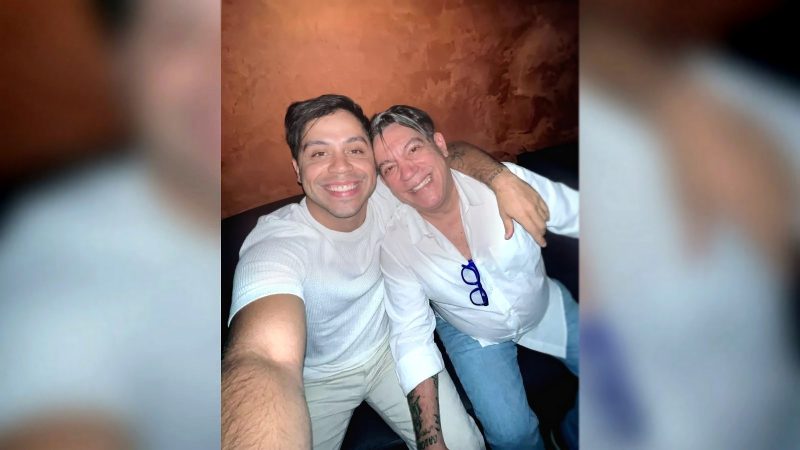

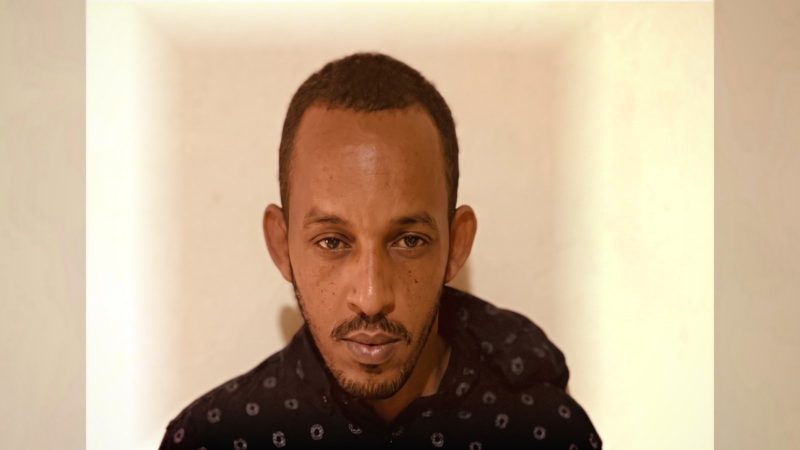

Roldan Marmol, a renowned Dominican folklorist, has raised his voice in protest against the Ministry of Interior and Police. For the second consecutive time, this institution is preventing him from fully celebrating Gagá, an ancestral tradition linked to Holy Week in the Dominican Republic. The artist announced this on his Instagram account, generating resonance on social networks.
According to Roldan Marmol‘s claim, the manifestation is only authorized on Holy Saturday afternoon and Easter Sunday. This limitation clashes with the essence of Gagá, which traditionally extends for several days beforehand, involving troupes, rabel and drum music, and rituals that honor the African heritage in the country.
Historical context of Gagá in Dominican culture
Gagá emerged in the 19th century in regions such as the East of the Dominican Republic, fusing Catholic elements and Haitian Vodou. It is celebrated during Lent, culminating at Easter, with masks and dances representing death and resurrection. Folklore experts, such as those from the Museum of the Dominican Man, classify it as intangible heritage, preserved by communities in San Pedro de Macorís and La Romana.
Reactions and background of the prohibitions
- In 2025, Roldan Marmol faced similar restrictions, attributed to public safety concerns during Holy Week.
- Authorities of the Ministry of Interior and Police justify measures due to crowds and post-pandemic sanitary risks, according to official statements in previous years.
- Other cultural promoters report partial authorizations, but Roldan Marmol insists that they restrict artistic freedom.
Expert opinions on cultural impact
Francisca Henríquez, director of the National Folklore Ballet, highlights that limiting Gagá affects the generational transmission of traditions. Data from the Ministry of Culture indicate that folkloric events like this generate cultural tourism, with thousands of annual participants. However, public order regulations prioritize crowd control on sacred dates.
It is unacceptable that for the second time we are banned from celebrating the complete Gagá. This tradition is part of our identity, Roldan Marmol recounted in his publication.
The case of Roldan Marmol rekindles debates on the balance between security and cultural preservation. While the authorities have not responded publicly, the folkloric community urges dialogues for future editions. In the Dominican Republic, Gagá remains a pillar of cultural diversity, and this friction puts its full continuity at risk.