






Renewable Generators in the Dominican Republic have denounced that, despite being considered the cheapest and most sustainable energy, its integration into the electrical system is being limited, a situation that worries the national energy sector.
The Dominican Association of Renewable Energies (ADER) expressed this year that there is a sustained practice of restricting the injection of clean energy, which goes against current legislation, such as the General Electricity Law 125-01 and Law 57-07 on incentives for renewable sources.
According to ADER, the procedures have favored other types of generation, allowing the use of fossil fuels to increase, despite the country’s commitments to sustainability. This situation affects the efforts to comply with the objectives of the National Development Strategy, which seeks for renewable generators to have at least a 30% participation in the system for 2030.
Why are renewable generators being limited?
The authorities have justified the situation arguing risks to the national electrical system’s stability due to the lack of energy storage systems, known as BESS. However, sector experts and ADER agree that the current technological and geographical diversity of the country allows for a greater entry of clean energy without compromising security, as long as technical and regulatory parameters are respected. More details can be consulted in our article on the national renewable energy strategy.
The renewable generators in front of the Dominican energy matrix
Currently, the renewable generators only represent around 18% of the energy of the National Interconnected Electrical System (SENI). The rest of the matrix is mainly composed of natural gas (42%), hydroelectric (5%), biomass (1%), fuel oil (8%), and coal (30%), although the latter two trends show a marked decrease.
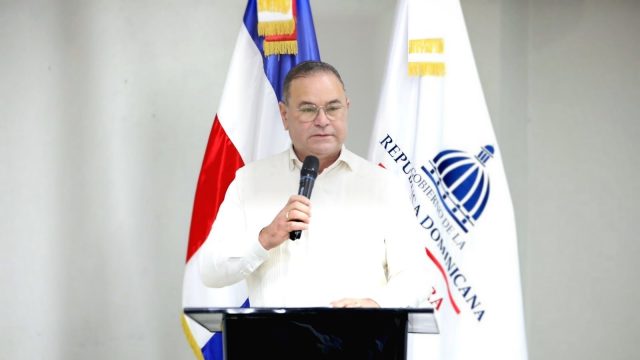
The Minister of Energy and Mines, Joel Santos, has recognized in recent forums that generation with traditional fuels, such as fuel oil and coal, will gradually decrease, but the process faces regulatory and technical challenges. You can read more about the energy transition and regulatory challenges in our special report here.
Challenges pending for renewable generators
- Guarantee the compliance of laws that prioritize the dispatch of clean energy.
- Modernize the SENI infrastructure to admit greater volumes of renewables.
- Ace the investments in storage and intelligent networks.
For the renewable generators, overcoming these barriers is key to achieving emission reduction goals and reducing the national electricity bill, as well as contributing to the international commitment against climate change. According to the official portal of the National Office of Statistics, users demand more transparency in the processes and viable solutions for the future energy.
The renewable generators, strategic actors in the Dominican economy, insist on the urgency of eliminating regulatory and technical obstacles. Achieving a greater participation of renewable generators will be determinant to guarantee cheap and sustainable energy for the country.