




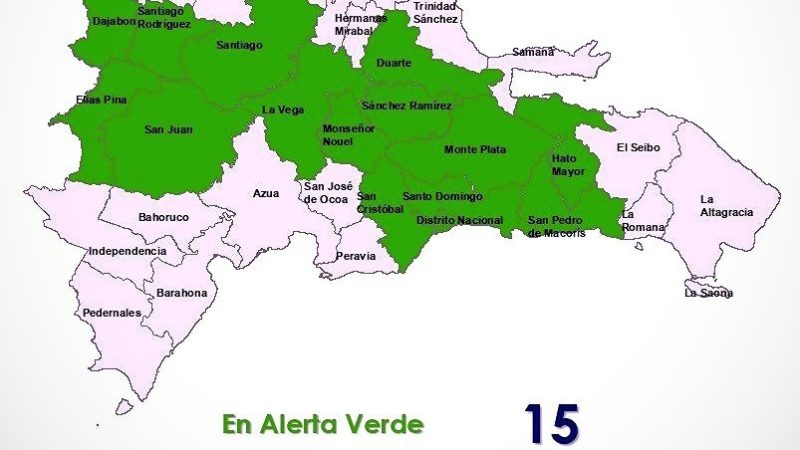





Leptospirosis cases show a marked downward trend during the first five epidemiological weeks of 2026, according to the Ministry of Public Health. In this period, 17 confirmed cases were recorded, compared to 28 in the same period of 2025. In week 5, no cases were reported, unlike one notified the previous year.
Key surveillance and prevention measures
Provincial Health Directorates have strengthened the active search for febrile cases, expanded sample collection, and expedited notifications via the National Epidemiological Surveillance System (SINAVE). At the community level, clean-up operations in streams, rodent control, distribution of chlorine, and educational campaigns seek to reduce exposure to the bacteria, transmitted by water or soil contaminated with rodent urine. Coordination with city halls facilitates the management of stagnant water and debris removal, vital actions to prevent complications.
Other diseases under control
Dengue and malaria with low incidences
The epidemiological bulletin highlights that cholera and COVID-19 registered no cases in week 5. For dengue, 6 cases were reported that week, accumulating 30 with an incidence of 2.83 per 100,000 inhabitants. Provinces such as Valverde, Elías Piña, La Altagracia, Duarte, San Juan, and Monte Cristi lead the reports. In malaria, 3 new cases in week 5 bring the total to 17, concentrated in Guayabal and San Juan.
Decrease in mortality and respiratory viruses
Maternal mortality accumulates 8 deaths in 2026 (6 Haitian, 2 Dominican), down from 20 in 2025. Infant deaths dropped to 154 from 191 the previous year. Respiratory viruses such as RSV and influenza AH3N2 persist residually, with decreasing circulation.
Historically, leptospirosis causes outbreaks in the Dominican Republic after rainfall, with peaks in 2025 due to flooding. Experts attribute the current drop to early interventions, although they recommend continuous surveillance in the face of rainy seasons. The bulletin focuses on World Orofacial Myofunctional Day, promoting the work of speech therapists in children with motor insufficiencies.
These leptospirosis cases with a downward trend reflect effective efforts, but the population must maintain hygienic precautions to sustain progress in Dominican public health.


