


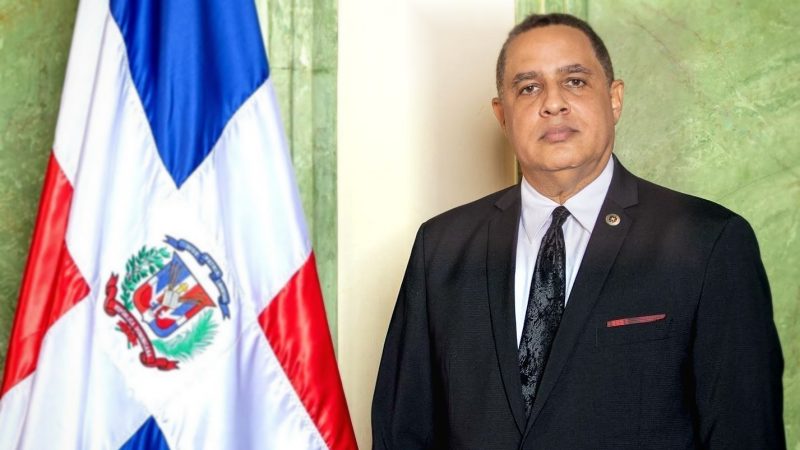





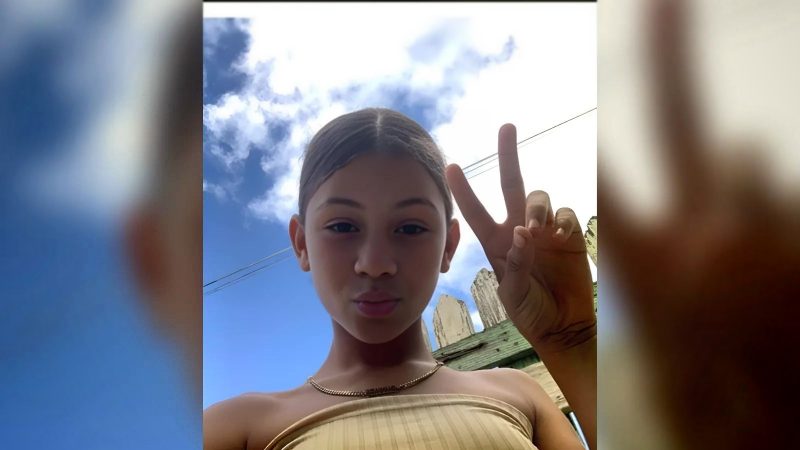

Fabián Ríos asked for empathy for Francisco Bolívar after several publications by the actor sparked concern among his followers about his emotional state. The Colombian’s message brought back to the table the debate about mental health, the trial in social networks, and the impact of public exposure.
In his call, Fabián Ríos insisted that you can’t reduce a person’s situation to what they show on the internet. The phrase that summarized his position was clear: “nobody knows the other person’s battle”, an idea that many users interpreted as a direct defense of Francisco Bolívar in the midst of digital conversation.
Fabián Ríos and the call to not judge
The pronouncement emerged after followers of Francisco Bolívar reacted with concern to recent content shared on social media. Although no medical details or official confirmations were offered about a crisis, the dissemination of those messages was enough to spark speculation and chain comments.
Fabián Ríos opted for a human and direct tone. Instead of fueling rumors, he asked for understanding, prudence, and respect. His message sought to stop the habit of turning delicate moments into a spectacle, a common dynamic when entertainment figures go through visible personal situations.
Francisco Bolívar, a figure closely followed
Francisco Bolívar gained recognition for his work in television and maintains a broad base of followers, which explains the speed with which any of his publications generates reactions. In that context, the concern around his name grew more due to the interpretation of his messages than confirmed information.
Cases like this show how social network conversation can amplify doubts, rumors, and hasty diagnoses. In matters of mental health, that pressure is usually especially delicate because it mixes public curiosity, real emotions, and unverifiable information.
Mental health and responsibility in social networks
Digital behavior specialists often warn that massive scrutiny can worsen the emotional burden of exposed people. That’s why calls like Fabián Ríos’ are often read as a reminder of collective responsibility: not everything needs immediate judgment or extreme interpretation.
Public attention does not replace accompaniment, nor do comments substitute empathy.
- Fabián Ríos asked for understanding in Francisco Bolívar’s situation.
- Concern arose from recent social media publications.
- The case reactivated the debate about mental health and public exposure.
- The phrase “nobody knows the other person’s battle” concentrated the message.
Fabián Ríos reinforces his message of empathy
Beyond the controversy, Fabián Ríos’ gesture left a simple message: before commenting, judging, or speculating about Francisco Bolívar, it’s convenient to remember that behind every screen there are personal processes that are not always visible. That’s precisely the underlying point of Fabián Ríos when he asks for empathy with Francisco Bolívar: less noise, more humanity.