



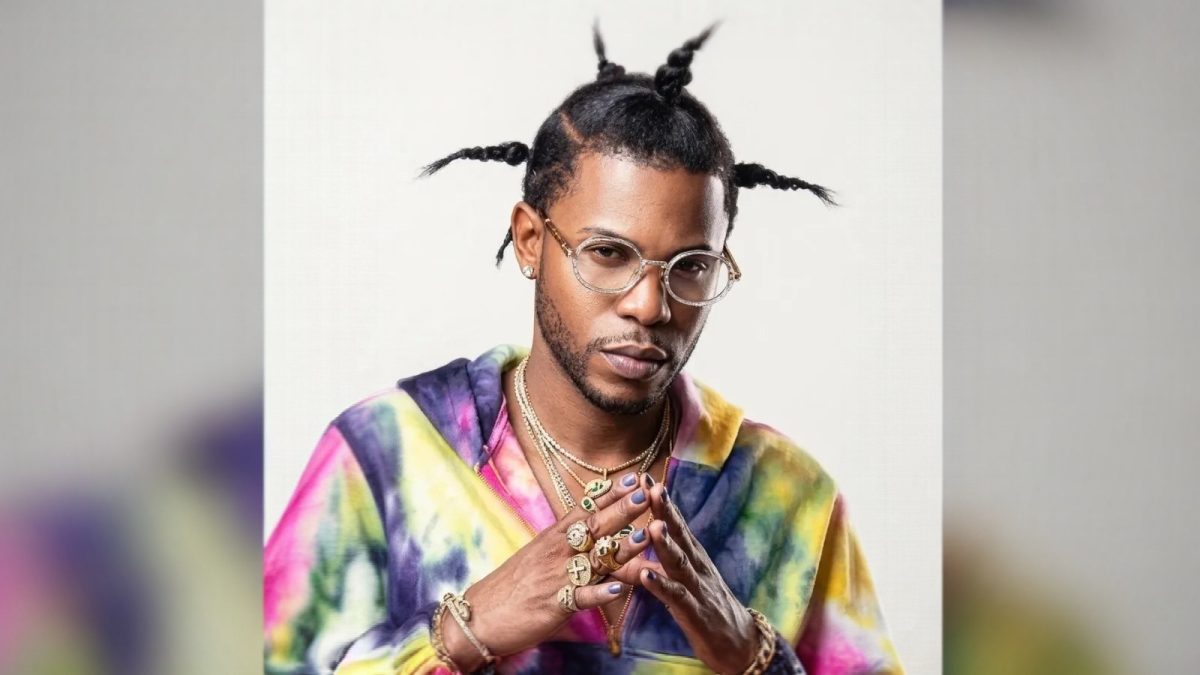
The Dominican urban exponent Haraca Kiko, who has been detained in Michigan under the custody of Immigration and Customs Enforcement (ICE), has communicated his concern about a possible deportation to the Dominican Republic. In a message disseminated from his place of detention, the singer stated: “I can’t take it, they want to deport me”.
The situation of the interpreter became public on November 3, when the company that represents him, Pretty Bad Boy, confirmed that the artist was under the custody of US migrant authorities. According to his team, the detention is due to a supposed navigation error that caused an accidental border crossing between the United States and Canada. His representatives clarified that this does not imply the commission of a crime and that the singer has legal assistance to face the process.
Reasons for the Possible Deportation
A source close to the situation, cited by a YouTube channel, explained that the migrant authority alleges three charges against Haraca Kiko:
- Previous Conviction: possession of marijuana.
- False Statement on Visa: the singer allegedly concealed the conviction in his visitor visa application.
- Violation of Visa Terms: it is claimed that the artist received payments for work in the United States while holding a tourist visa.
Reactions and Context
The news has generated comments among the followers of the urban exponent, who are waiting for an update on the status of his case. The situation also highlights the complexity of migrant processes in the United States, where authorities can initiate deportation procedures for minor violations of visa conditions or past convictions.
For Haraca Kiko, the threat of being sent back to the Dominican Republic represents a personal and professional concern, given his growing success in the Latin urban scene. The singer has mentioned that no definitive resolution has been confirmed that orders his expulsion, although the presence of the charges indicates the possibility of a formal process.
Background and Consequences
Haraca Kiko’s case is not isolated; several artists and migrants have faced similar processes for minor charges or violations of their migratory status. In practice, deportation can result in a ban on re-entry to the country for several years, affecting the artist’s career and personal life.
The migrant process involves a review of the evidence presented by the authority and the defense, and the final decision rests with the competent judge. In Haraca Kiko’s case, his representatives have pointed out that he has legal assistance to address the situation with the corresponding authorities.
Credits: diarioaldia.com
Note generated automatically from the sources cited in the text. Found an error? Email us at [email protected] and we'll fix it.