


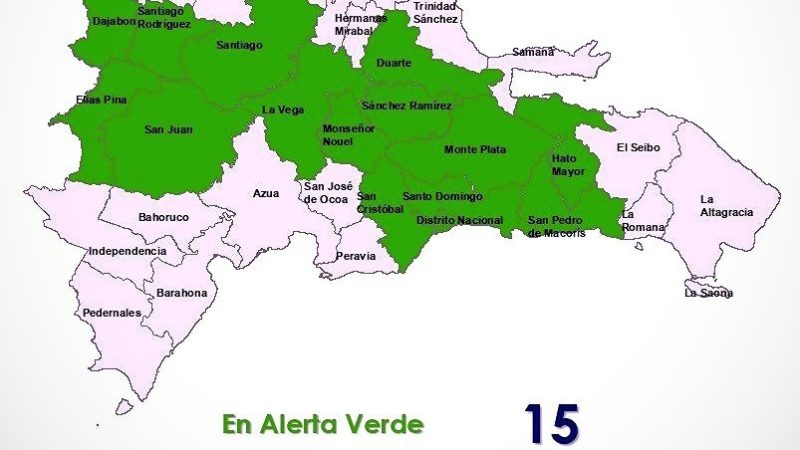








The Ministry of Health of the Dominican Republic issued an official statement confirming the absence of hantavirus actively circulating in the country. According to the institutional declaration, there are no confirmed outbreaks or epidemiological evidence indicating the presence of the virus in the national population, so the risk to the general public remains at low levels.
Health authorities reaffirmed their commitment to continuous epidemiological surveillance, a fundamental mechanism to early detect any anomaly in infectious disease patterns. This defensive stance responds to established international protocols, particularly the International Health Regulations, which oblige member states to maintain active monitoring systems even when the perceived threat is minimal.
Hantavirus surveillance protocol in the Dominican Republic
The hantavirus is a pathogen primarily transmitted by infected rodents, whose particles are dispersed through aerosols of urine, feces, and saliva. Although historically the virus has generated outbreaks in regions such as South America and some areas of North America, its presence in the Caribbean has been limited. The Ministry of Health maintains specific protocols to prevent its introduction and spread.
The implemented epidemiological surveillance includes reporting systems from medical facilities, reference laboratories, and international ports of entry. These mechanisms allow the identification of suspected cases and confirm diagnoses through updated serological and molecular techniques. Health professionals receive periodic training on the clinical symptoms of hantavirus, which range from respiratory conditions to hemorrhagic complications.
Characteristics of hantavirus and potential risk
The virus has an incubation period between 5 and 42 days, complicating the immediate identification of cases. Initial symptoms include fever, headache, myalgia, and nausea, evolving into pulmonary or renal involvement depending on the viral strain. In contexts of documented transmission, mortality can reach 38 percent in pulmonary syndromes. For this reason, although the Dominican Republic reports no active cases, the epidemiological surveillance of hantavirus remains a priority in regional health agendas.
Preventive measures in high-risk spaces
The Ministry of Health recommends preventive measures in agricultural areas, warehouses, granaries, and spaces with potential exposure to rodents. These include controlled rodent control, elimination of pest refuges, use of personal protective equipment, and adequate ventilation. Although the risk of hantavirus in the Dominican Republic remains low, community health education reinforces preventive behaviors in vulnerable populations.
The position of the Ministry of Health regarding hantavirus reflects the application of international public health standards. While the Dominican population does not face an immediate threat from this pathogen, detection systems remain operational and ready to respond to any epidemiological variation. Sustained hantavirus surveillance is a key element in the national strategy for the prevention of emerging infectious diseases.


