








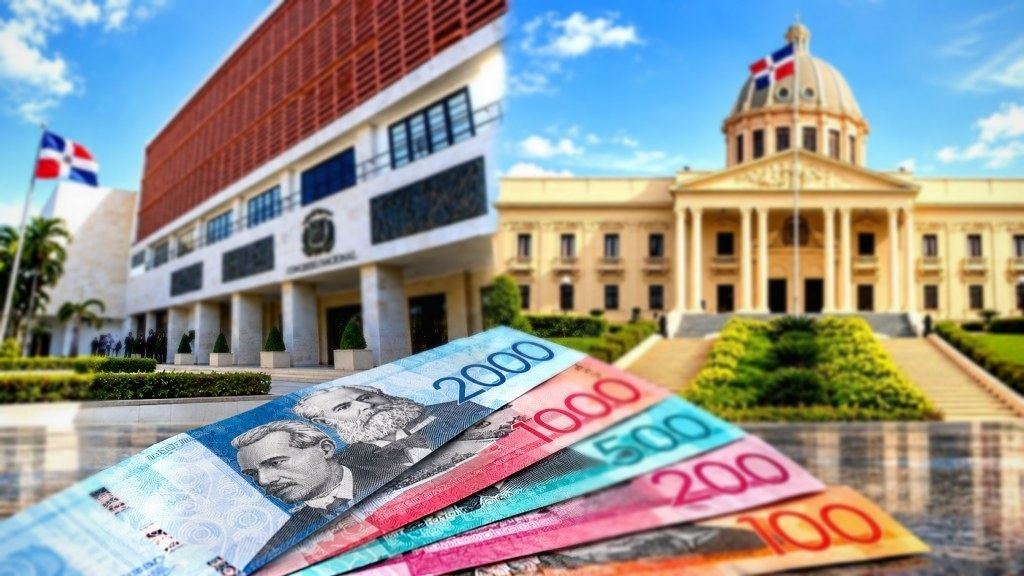
President Luis Abinader has deposited the second reform of the General State Budget 2026 in the Chamber of Deputies, where President Alfredo Pacheco announced that the proposal will be included in the agenda of the Coordinating Commission and will be analyzed in the ordinary session of this Thursday at 12:00 hours.
Why a second reform?
Economist Edita Rodríguez, professor at the Autonomous University of Santo Domingo (UASD), argues that citizens must know the reasons that motivate this modification. According to her, the initial projections may not have been realistic and the review allows adjusting the amounts so that the budget reflects the economic reality.
Revenues and spending
Rodríguez poses that it is essential to determine if revenues are decreasing or if expenses are increasing. This analysis will allow understanding if the reform responds to an emerging fiscal imbalance or to a reorientation of priorities.
Fiscal and debt deficit
Another key point is to know if the fiscal deficit has increased. If so, the question is whether the Government should contract more debt to cover it. The economist emphasizes that responsible debt management is essential for the sustainability of public finances.
Impact on sustainability
Fiscal sustainability is one of the perspectives that the specialist considers indispensable to evaluate the reform. It is a matter of determining if the budget decisions maintain a sustainable trajectory and if public investments are of quality and productive.
Planning, transparency, and public finances
Rodríguez insists that the budget is the tool that organizes the country’s economic and social priorities. Repeated revisions oblige to review the budget planning and transparency, so that decisions are consistent with development goals and the State’s revenue capacity.
Credits: n.com.do
Note generated automatically from the sources cited in the text. Found an error? Email us at [email protected] and we'll fix it.