

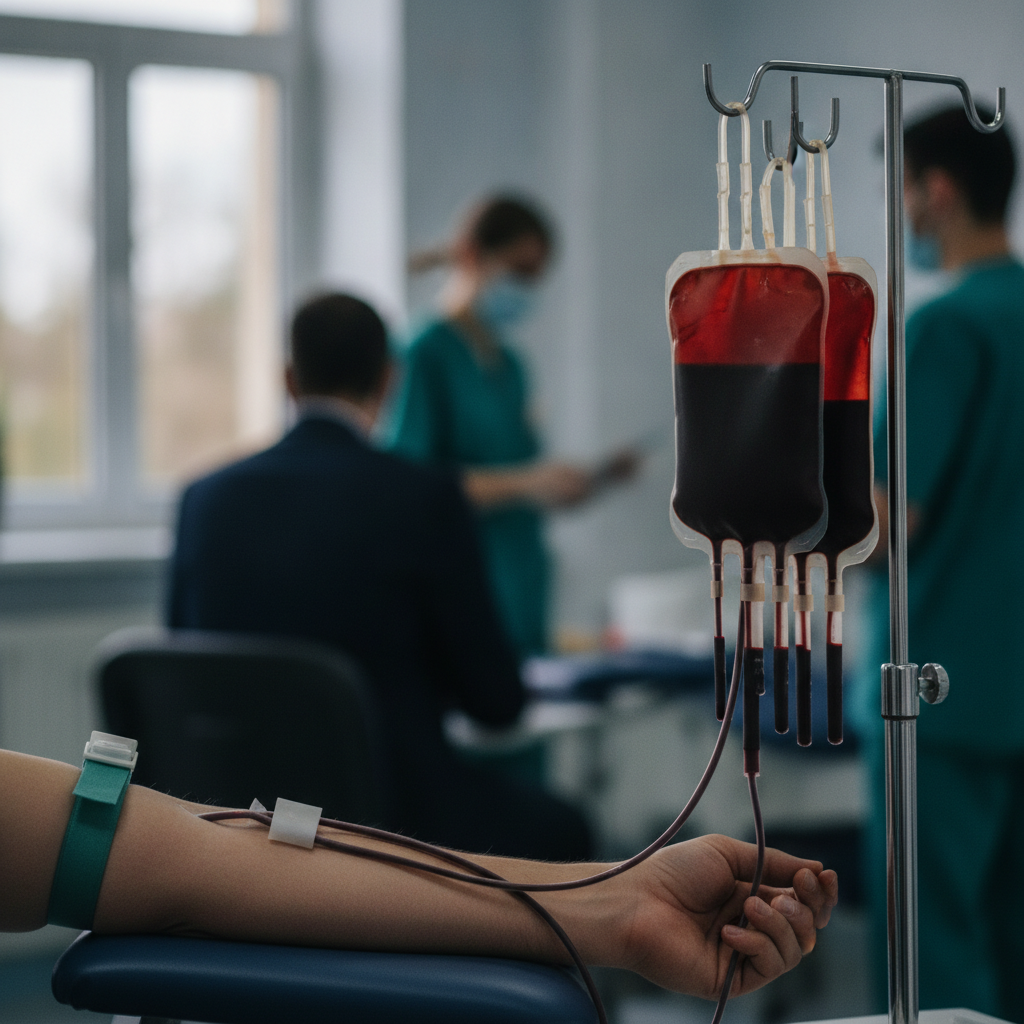
blood donation was the core message of the Ambassador of Italy to the Dominican Republic, Sergio Maffettone, as he highlighted the Real Life Heroes: Blood Donor Network campaign as a high social value action to save lives and strengthen solidarity.
The diplomat’s stance aligns with an international consensus: blood cannot be manufactured and relies entirely on voluntary donations to handle emergencies, surgeries, complicated childbirths, and treatments for diseases such as cancer. In this context, blood donation remains an essential public health tool.
blood donation and its social value
The initiative mentioned by Sergio Maffettone is part of efforts to raise public awareness about blood donation, a practice that tends to increase during times of crisis but requires consistency throughout the year. Health organizations have emphasized that blood banks function best when there is a stable base of regular donors.
This approach explains why campaigns like Real Life Heroes have an impact beyond the single act of donating. Their goal is to turn blood donation into a civic habit rather than an occasional response to emergencies.
A call for organized solidarity
blood donation also has a community component: it helps reduce pressure on patients’ families, improves availability in hospitals, and enables a rapid response to accidents or urgent interventions. In countries with a low culture of donation, scarcity often becomes a silent barrier to medical care.
blood donation in medical practice
blood donation benefits people with trauma, severe anemia, high-risk surgeries, and oncological therapies. A single unit can help more than one patient, depending on the blood component used, which multiplies its health impact.
In the Dominican Republic, promoting blood donation remains key to reinforcing the self-sufficiency of healthcare centers. The challenge is not only to attract donors, but also to maintain permanent education, safety, and trust campaigns.
Key takeaways from this diplomatic message
- blood donation as an act of social responsibility.
- blood donation as direct support to the health system.
- blood donation as a concrete response to emergencies.
- blood donation as a habit that must be sustained over time.
The message from Sergio Maffettone reinforces a simple idea: blood donation not only saves lives, but also strengthens the country’s response capacity. In an event like Real Life Heroes, blood donation ceases to be an isolated gesture and becomes a social commitment that directly impacts patients, families, and hospitals.


