






15% tariff on polysilicon: that is the new measure announced by Donald Trump to tighten U.S. access to a key input for the solar and semiconductor industries.
Presented by the White House as a national security response, the decision also affects derivatives of the material and takes effect next December 4, according to the presidential proclamation released this Thursday.
15% tariff and pressure on the technology supply chain
The 15% tariff applies to polysilicon, ingots, wafers, solar cells, and photovoltaic modules. The U.S. government argues that imports of these products weaken local industrial capacity and increase dependence on foreign suppliers.
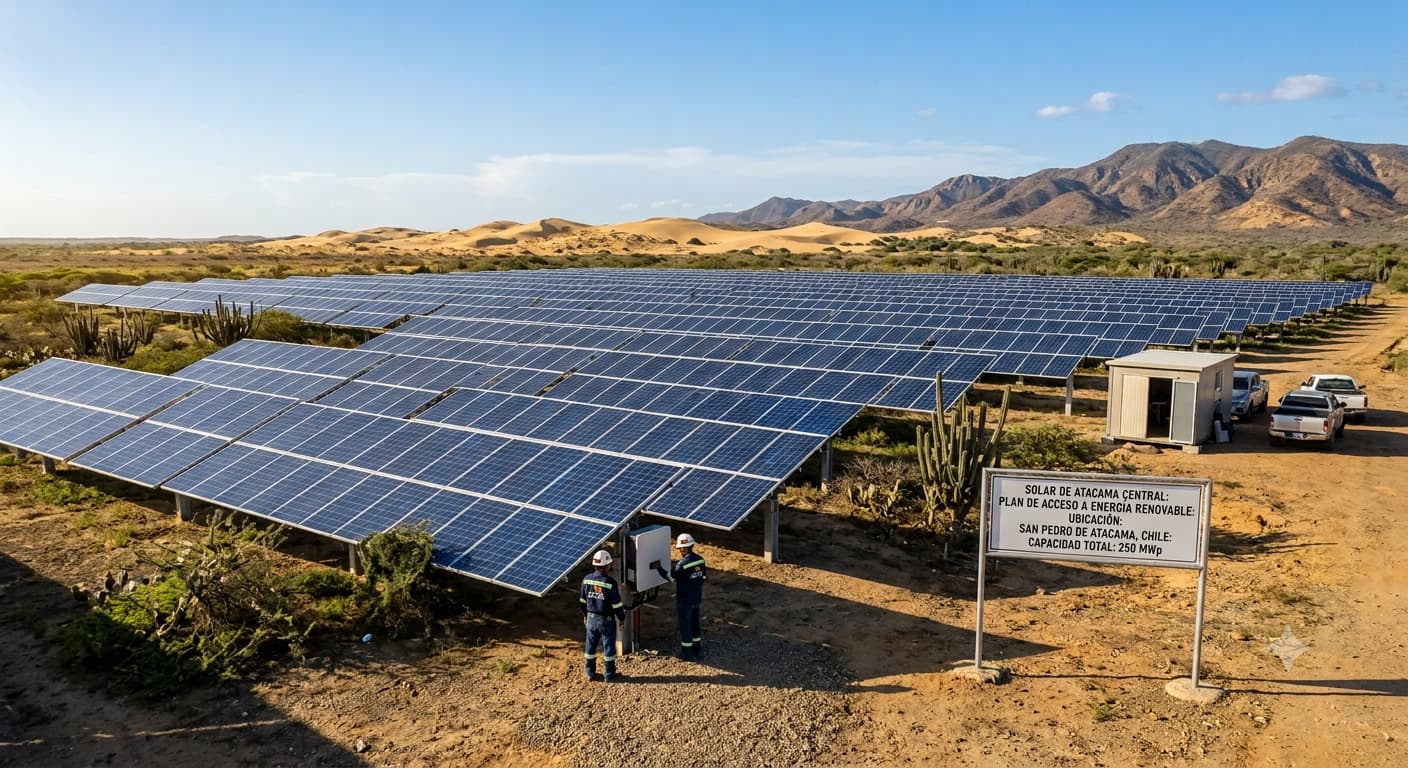
Polysilicon is the essential raw material for manufacturing solar panels and is also used in semiconductor production, two sectors considered strategic by Washington. In this context, the 15% tariff seeks to make external purchases more expensive and favor domestic manufacturing.
15% tariff and the weight of China
Although the proclamation does not mention China, the decision comes as that country dominates a large part of global polysilicon production and the solar supply chain. This fact explains why the 15% tariff could have effects beyond the U.S. market and put pressure on Asian exporters.
The measure is supported by a Department of Commerce investigation conducted under Section 232 of the Trade Expansion Act of 1962, a mechanism that allows restricting imports when they are considered a threat to national security.
What changes for solar panels and semiconductors
The White House stated that it wants to reduce foreign dependence, strengthen U.S. manufacturing capacity, and guarantee the supply of industries linked to energy and advanced technologies. In practice, the 15% tariff may raise costs for manufacturers that depend on imported inputs.
- More pressure on production costs.
- Possible price pass-through to solar panels and components.
- Greater protection for local producers.
- More official oversight on the enforcement of the 15% tariff.
The proclamation also directs the Departments of Commerce and Homeland Security to oversee implementation and evaluate additional adjustments if the industry requires it. With this, Trump once again places the 15% tariff at the center of his trade strategy for sensitive technology sectors.
In the short term, the 15% tariff redefines the entry cost of polysilicon in the United States and opens a new front for the solar panel and semiconductor industry, two markets where import dependence remains high.