









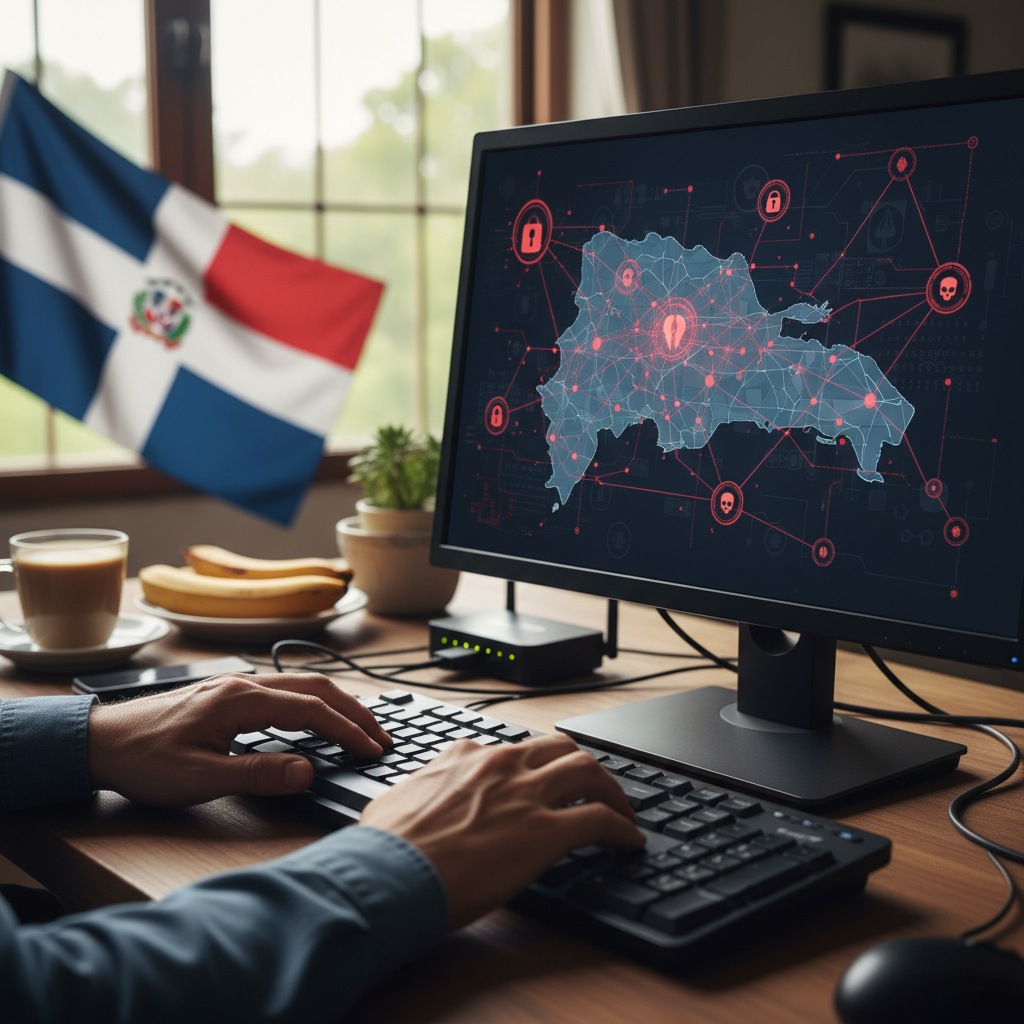
Phishing, scams and cyberbullying have become the new face of online crime, driven by the massive use of artificial intelligence and the growth of the Internet of Things, according to the latest alerts from the cybersecurity firm ESET for Central America and the region.
Phishing, scams and cyberbullying: how digital crime evolves
According to ESET, the advancement of artificial intelligence and the connectivity of millions of IoT devices have multiplied the opportunities for cybercriminals to execute phishing, scams and cyberbullying, along with financial scams, identity theft and social media extortion.
Emails and messages of phishing are now generated with AI, imitate with precision the language of banks, businesses and public entities, and reduce grammatical errors that previously allowed them to be easily detected. To this are added campaigns in instant messaging that promise prizes, state aid bonuses or quick investments, designed to steal credentials and personal data.
Regional impact in Central America and the Dominican Republic
In Central America, and especially in countries such as the Dominican Republic, the increase in digital payments, online banking and e-commerce has expanded the target of phishing, scams and cyberbullying attacks. Cybercrime authorities in the region report a constant increase in complaints about digital scams related to identity theft, false sales and extortion with intimate material.
Minors and adolescents are among the most vulnerable to cyberbullying and image blackmail, while adults and new users of digital financial services are often the target of fraudulent calls and messages that seek to empty accounts or appropriate messaging profiles.
Connected devices and identity theft
The growth of IoT also opens a new door to phishing, scams and cyberbullying. Devices such as security cameras, voice assistants, smart TVs and poorly configured routers can be exploited to spy, steal information or launch massive attacks without the user noticing.
When that information is combined with data leaked on social media, criminals manage to build detailed profiles to execute targeted scams, impersonate identities or harass victims with knowledge of their family and work environment.
What ESET recommends for users and companies
In this scenario, ESET insists that the first line of defense is not just technology, but digital education. Among its key recommendations are:
- Be wary of emails, messages and calls that ask for passwords, verification codes or bank details.
- Activate two-factor authentication on all critical accounts.
- Update operating systems, applications and IoT devices regularly.
- Use reliable security solutions on computers and mobile devices.
- Discuss phishing, scams and cyberbullying with girls, boys and adolescents, and how to ask for help in any situation of online harassment.
A growing challenge for governments and platforms
Cybersecurity experts agree with ESET that the capabilities offered by generative AI are also at the service of crime, from creating fake texts and voices to manipulated images and videos that can enhance phishing, scams and cyberbullying. Therefore, a combination of updated legal frameworks, international cooperation and greater security demands on platforms and digital service providers is required.
In this context, understanding how phishing, scams and cyberbullying operate and adopting basic protection habits is no longer optional for users in Central America and the Caribbean, but a necessary condition to navigate and work online with the least possible risk.